


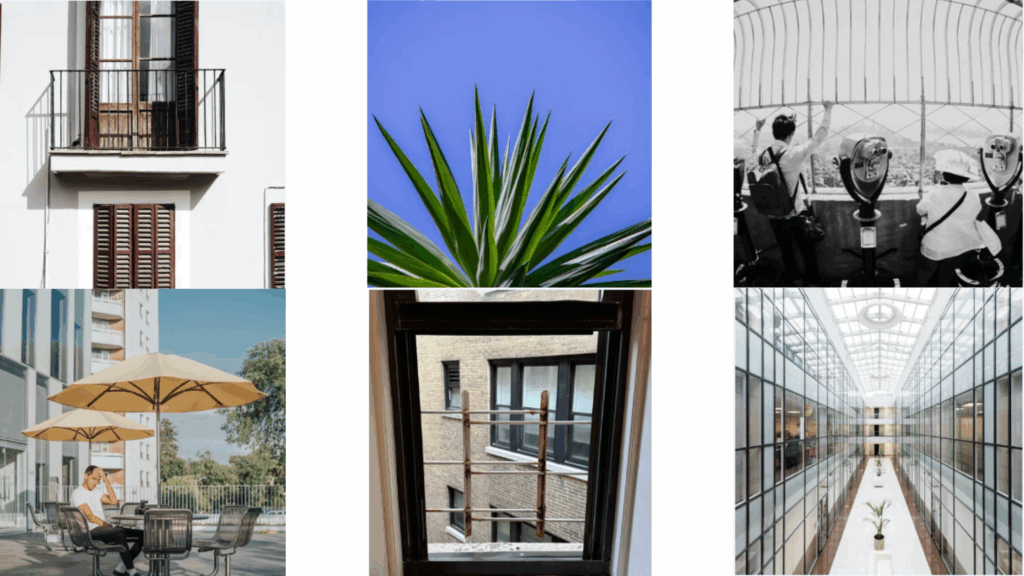
Photos courtesy of Raise the Rail
The content of this article discusses suicide and may be emotionally challenging. If you or someone you know is struggling with suicidal thoughts, help is available. Reach out to the Suicide & Crisis Lifeline 988 or text “Hello” to the Crisis Text Line at 741741.
From Personal Tragedy to Purposeful Action
Architecture is more than a profession to Ed Kopel, it’s a way to shape the world with meaning. After experiencing the loss of both his father and brother to suicide, that meaning took on a new dimension.
Growing up in Great Neck, Ed lost his father when he was just six years old. The cause, initially described as a heart attack, was later revealed to be suicide. Years later, Ed’s older brother, a brilliant mathematician who struggled socially and emotionally, also died by suicide while Ed was in graduate school.
These losses were devastating. However, instead of turning inward, Ed turned his grief into fuel.
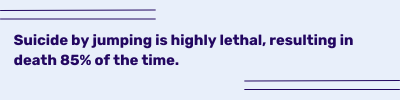
(Sources: “Jumping” and Suicide Prevention – Centre for Suicide Prevention Centre for Suicide Prevention)
The Birth of Raise the Rail
The idea for Raise the Rail began after a series of suicides at the Vessel in Hudson Yards. As an architect, Ed saw something others missed: the critical role of design in suicide prevention. He began researching, speaking with public health experts, and developing a concept that would eventually become Raise the Rail, a nonprofit focused on reducing suicide by jumping through environmental design and building code reform.
“Architecture has the power to protect,” Ed explains. “If we can make small design changes, raising railings, blocking access points, we can interrupt an impulsive moment and save a life.”
His work is grounded in data. In New York City, jumping is the second leading method of suicide. Because of strict gun laws, and the availability of tall structures, the city faces a unique challenge. But it also has an opportunity to lead.
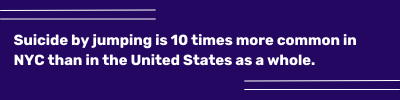
(Sources: databrief127 & Lethal Means & Suicide Prevention: A Guide for Community & Industry Leaders)
Finding Community Through Jewish Communal Fund
Ed and his wife Andrea became Jewish Communal Fund Fundholders several years ago. While Andrea comes from a family with a long tradition of giving, Ed describes his own upbringing as financially precarious, relying on summer camp scholarships and tuition support from Jewish organizations.
“We didn’t grow up thinking about giving to others,” he says. “But Andrea’s example, and this cause, changed that for me.”
JCF offered a way to focus their giving and make a measurable impact. It also gave Ed the flexibility to support both large and small mental health organizations.
Supporting Mental Health Through Action and Advocacy
Beyond Raise the Rail, Ed supports organizations like:
- The Jed Foundation, focused on teen and college mental health
- The American Foundation for Suicide Prevention (AFSP)
- The National Alliance on Mental Illness (NAMI) Queens/Nassau, a grassroots organization where he saw his donation create tangible change
Still, Ed believes advocacy is just as important as giving. He’s building an advisory network, collaborating with suicidologists, and working to influence building codes. His long-term goal? To make New York City the global leader in suicide prevention by environmental design.
And while he continues his architecture practice, Ed knows what truly drives him.
“I love designing spaces,” he says. “But this is the work that matters most.”
Creating a Culture of Prevention and Compassion
Ed understands that suicide is hard to talk about. Even among survivors, it’s often hidden in silence. Through his work, he hopes to break that silence and create a culture of openness, action, and prevention.
He offers this advice for anyone wanting to make a difference in mental health:
“Sit with someone who’s struggling. Just listen. Then call them a few days later. That might be all it takes to keep them here.”
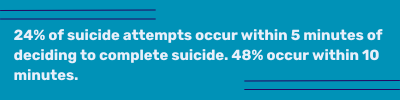
(Sources: Wiley Online Library & PubMed)
Looking Ahead: A Blueprint for Change
As Raise the Rail grows, Ed envisions a future where architectural guidelines are informed by public health. He hopes to expand the organization, build a stronger coalition of advocates, and bring his message to policymakers.
Like Mothers Against Drunk Driving, Ed believes that a movement of survivors and supporters can drive real change. “We need community behind this. People who care. People who understand.”
He also hopes to pass on these values to his children. “We’ve come a long way,” he says. “And my daughter Ruby already gets it. That’s what legacy looks like.”
Join the Mission. Raise the Rail. Save a Life.
Ed Kopel’s story is a powerful reminder that philanthropy can grow from pain and that meaningful change often starts with one person, one idea, and one act of courage.
You can learn more or support Raise the Rail at raisetherail.org.